
Bathroom Renovations in NZ: Costs, Planning and What to Expect
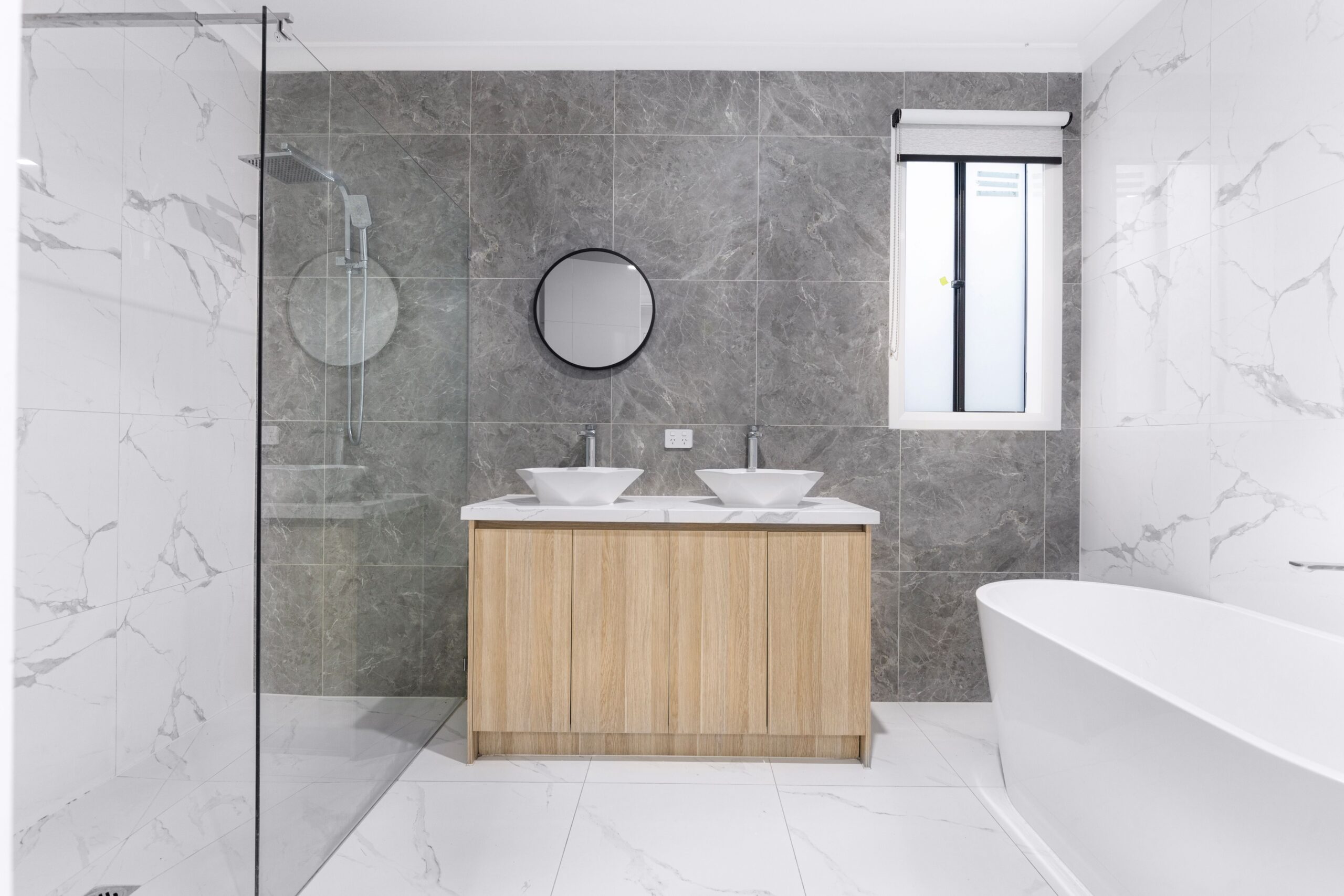
Bathroom Renovations in NZ: Costs, Planning and What to Expect
A bathroom renovation can make a home easier to live in, warmer, tidier, and more valuable. It can also get expensive quickly if the layout, plumbing, fittings, and budget are not sorted before work begins.
The biggest cost usually comes down to how much is changing. Keeping the toilet, shower, bath, and vanity in roughly the same place can save a lot. Moving plumbing and drainage adds labour, materials, waterproofing, and often extra building work.
Bathroom Renovations at a Glance
| Consideration | What to Know |
|---|---|
| Basic bathroom refresh | Around $8,000 to $15,000 when the layout stays the same and the work focuses on replacing fittings, painting and smaller updates. |
| Mid-range renovation | Around $15,000 to $35,000 for a full renovation with new fixtures, waterproofing, flooring, wall finishes, lighting and ventilation. |
| High-end renovation | From $40,000 to $80,000 or more when the plumbing moves, custom joinery is added or premium finishes are chosen. |
| Biggest cost driver | Moving the toilet, shower, bath or vanity usually adds cost because plumbing, drainage, flooring and waterproofing all need to change. |
| Contingency | Keeping another 10% to 15% aside can help cover unexpected costs: rotten framing, old pipes, wiring issues or poor earlier work uncovered during demolition. |
| Consent | Some bathroom work is exempt, while larger or structural changes may need council approval. The scope should be checked before the project begins. |
| Key trades | A bathroom may involve a plumber, electrician, builder, waterproofer, tiler, painter, flooring installer and glazier. Typically this would all be managed by one party. |
Bathroom Renovation Costs in NZ
As a rough guide, bathroom renovations in New Zealand often fall into three price ranges.
| Renovation type | Typical cost |
|---|---|
| Basic refresh | $8,000 to $15,000 |
| Mid-range renovation | $15,000 to $35,000 |
| High-end renovation | $40,000 to $80,000+ |
A basic refresh typically includes a new toilet, vanity, taps, paint, vinyl flooring, and updated fittings while keeping the existing layout.
A mid-range renovation usually means stripping the room back and replacing most of the main elements. This can include new plumbing fixtures, waterproofing, flooring, wall finishes, lighting, ventilation, and potentially layout changes.
High-end renovations often involve tiled showers, freestanding baths, custom cabinetry, premium tapware, underfloor heating, structural changes, or a full layout redesign.
It is also smart to keep another 10% to 15% aside. Older bathrooms can hide rotten flooring, damaged framing, leaking pipes, poor waterproofing, or old wiring that only becomes visible once demolition starts.
Why Small Bathrooms Can Cost So Much
Bathrooms are compact, but there is a lot going on behind the walls and under the floor.
A full renovation usually involves a plumber, electrician, builder, waterproofer, tiler, painter, flooring installer, glazier, and cabinetmaker. Each trade needs to work in the right order, and there is little room for mistakes.
A poor paint finish is annoying. Failed waterproofing or badly installed drainage can cause damage for years.
That is why much of the budget goes into work you will not see once the bathroom is finished.
Keep the Existing Layout Where You Can
Leaving the main fixtures in place is one of the easiest ways to control costs.
Moving a toilet may mean changing the waste connection through the floor. Moving a shower can involve new drainage, water pipes, floor preparation, and waterproofing. Even shifting a vanity across the room may require walls to be opened and pipework extended.
Sometimes a layout change is worth it, especially if the existing room is awkward or difficult to use. It should still be planned carefully before fittings are ordered and work begins.
Plan the Plumbing Before Buying Fixtures
It is easy to start with tiles and tapware, but the plumbing needs to come first.
A wall-hung vanity needs support inside the wall. A freestanding bath needs enough room around it. Some shower mixers need more wall depth than others. A large showerhead may not work well if the water pressure or hot water supply is not suitable.
The toilet also needs to match the existing waste connection.
Getting a plumber involved early can stop you buying products that do not suit the room or require costly changes later.
Do You Need Building Consent?
Not every bathroom renovation needs consent.
Replacing fixtures or moving them within an existing bathroom may be exempt in some cases, especially when the total number of sanitary fixtures does not increase.
Consent may be needed if you are:
- Adding a new bathroom or ensuite
- Increasing the number of plumbing fixtures
- Changing structural framing
- Affecting fire separations or specified systems
- Carrying out major changes to plumbing or drainage
Even exempt work still needs to meet the New Zealand Building Code, and restricted plumbing work must be completed by an authorised tradesperson.
It is best to check the scope before the design is finalised.
Do Not Cut Corners on Waterproofing and Ventilation
Waterproofing is one of the least visible parts of the project, but one of the most important.
Tiled showers, baths, floor junctions, and wall penetrations all need to be sealed properly. Poor waterproofing can lead to mould, damaged framing, swollen flooring, and leaks into nearby rooms.
Ventilation matters just as much. A properly sized extractor fan should be ducted outside, not into the ceiling space. Good extraction helps reduce condensation, peeling paint, damp smells, and mould.
If the room always feels wet after a shower, the fan, ducting, or airflow may need improving.
Acrylic Shower or Tiled Shower?
An acrylic shower is usually cheaper, faster to install, and easy to clean. It is a practical option for family homes, rentals, and budget-conscious renovations.
A tiled shower gives more flexibility around size, layout, and appearance. It also costs more and relies heavily on good preparation, correct falls, and proper waterproofing.
Both can work well when installed properly. The best option depends on the room, budget, and finish you want.
How Long Does a Bathroom Renovation Take?
A full renovation will often take several weeks.
The timeline depends on product availability, the amount of building work, waterproofing and drying times, custom glass, cabinetry, council requirements, and any damage uncovered once the room is opened up.
Ordering fittings early helps prevent delays. If the home only has one bathroom, it is also worth planning around the days when the toilet, shower, or basin will be out of use.
Getting the Best Result
The best bathroom renovations are usually the ones planned properly from the start.
Keep the layout simple where possible, spend money on plumbing, waterproofing, and ventilation first, and choose fittings that are practical to clean and maintain.
Plumbspec can help with bathroom renovation plumbing, drainage, hot water, fixture installation, and practical planning across the Wellington region. Talk to our Master Plumbers before the work begins and get the plumbing side sorted properly from day one.
Bathroom Renovations in NZ: Costs, Planning and What to Expect