
Hot Water Heat Pumps
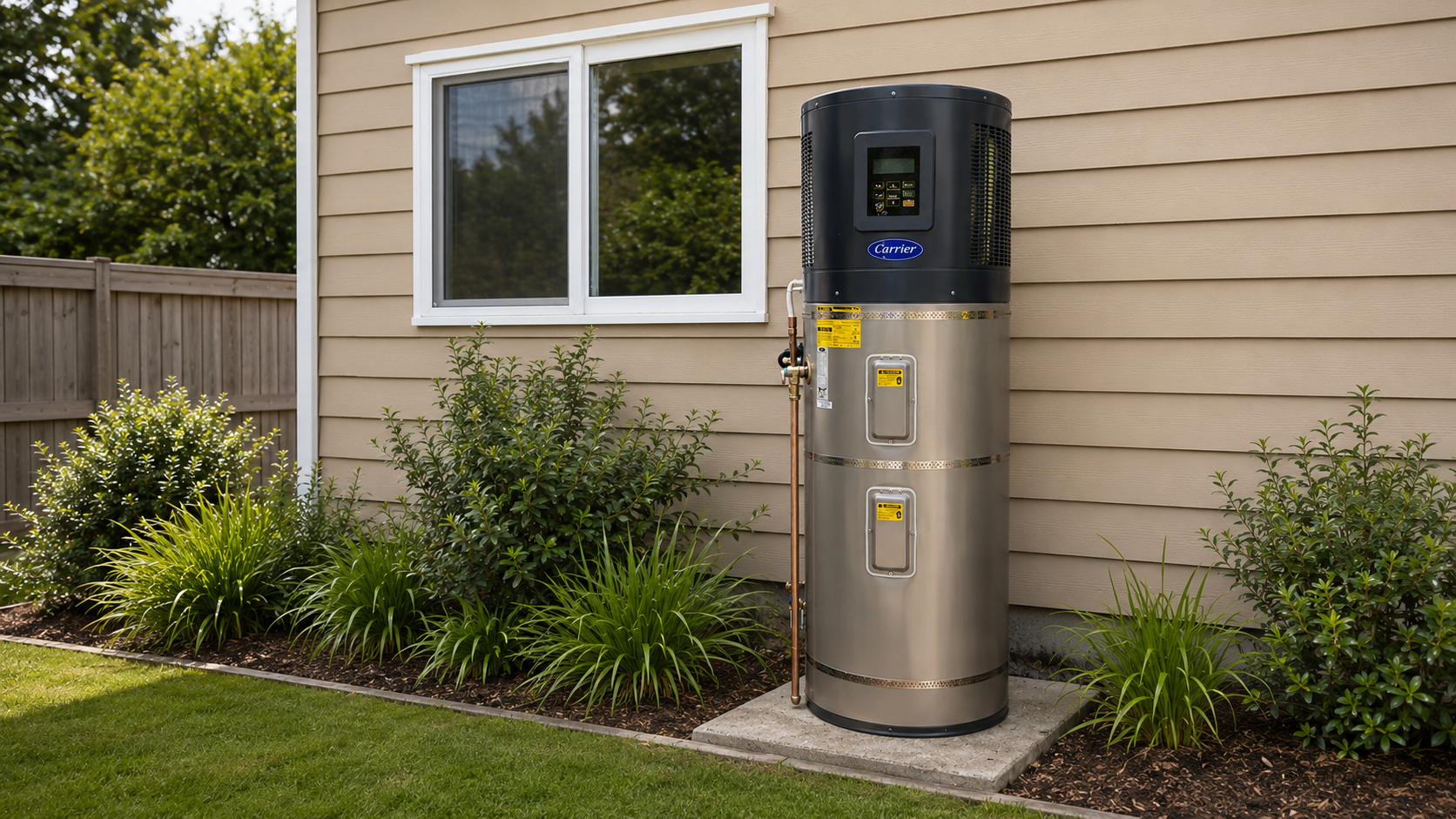
Hot water heat pumps are becoming a popular choice for Kiwi homes, offering a more energy-efficient way to heat water while helping reduce household energy use and running costs.
A hot water heat pump uses far less electricity than a standard electric cylinder and can lower running costs, especially in busy homes with high daily demand. It also offers a cleaner alternative to gas or LPG, helping households reduce the carbon impact of heating water over time at home.
Thinking About Making the Switch?
| Consideration | What to Know |
|---|---|
| Typical upfront cost | Allow roughly $6,000 for the unit and professional installation, although the final price will depend on the system, property, and any extra plumbing or electrical work required. |
| Potential savings | An average household may save over $250 a year on water heating costs. Homes that use more hot water could see a greater benefit over time. |
| Energy use | Hot water heat pumps can use around 60% to 75% less electricity than a standard electric hot water cylinder. |
| Key benefits | Lower running costs, improved energy efficiency, reduced emissions, solar compatibility, and the option to free up indoor cupboard space. |
| Expected lifespan | A well-maintained system can last around 15 years. |
| Installation options | Many systems can be installed outside, making them a practical choice for homes where indoor storage space is limited. |
Benefits of Hot Water Heat Pump Cylinders
Hot water heat pump cylinders are a practical option for Kiwi homes looking to reduce energy use without changing the way hot water is used day to day.
Lower running costs
Because the system draws heat from the surrounding air, it can use around 60% less electricity than a standard electric cylinder. This can make a noticeable difference in homes with higher hot water demand.
Better energy efficiency
A hot water heat pump can produce more heat from each unit of electricity it uses. That makes it one of the more efficient ways to heat water in a home.
Reduced household emissions
Homes moving away from gas or LPG can lower the emissions linked to water heating. This also makes heat pump systems a good fit for households planning a more energy-efficient, all-electric setup.
Works well with solar power
Hot water heat pump cylinders can be timed to heat water during the day, making better use of electricity generated by rooftop solar panels.
More indoor space
Many systems are installed outdoors, which can free up the old hot water cupboard for storage or allow for a more flexible interior layout.
Reliable hot water
When the cylinder is sized correctly, a heat pump system can provide plenty of hot water for showers, cleaning, kitchens, and everyday household use.
A good long-term upgrade
The upfront cost is higher than a basic electric cylinder, but lower running costs can make it a worthwhile long-term option. Especially for families and larger households, a hot water heat pump cylinder is the cheapest option.
How Hot Water Heat Pump Cylinders Work
A hot water heat pump cylinder works a bit like the heat pump many Kiwi homes already use for heating.
Instead of creating heat directly through an electric element, the system pulls warmth from the surrounding air and transfers it into the water stored in the cylinder. Even on a cool day, there is still enough heat in the air for the system to use.
A fan draws air into the unit, where the heat is absorbed by refrigerant. That heat is then compressed, which raises its temperature, before being passed into the water inside the cylinder.
Because the system is moving heat rather than producing all of it from electricity, it can generate far more hot water for the power it uses. Many modern units can deliver around three to four units of heat for every unit of electricity consumed.
Most systems also include a backup electric element. This can help during periods of high demand or on especially cold days, making sure the household still has a reliable supply of hot water.
The unit is usually installed outside, with the cylinder either built into the same system or connected separately. Correct sizing and placement are important, as the system needs good airflow and enough capacity to suit the number of people in the home.
Installing a Hot Water Heat Pump Cylinder
Installing a hot water heat pump cylinder takes a little more planning than replacing a standard electric cylinder.
The unit usually needs to be placed outside with good airflow and enough room for servicing. Noise, nearby windows, neighbouring properties, and pipe distance should also be considered.
The installer will check the home’s plumbing, water pressure, drainage, cylinder size, and electrical supply. Older homes or properties moving away from gas may need a few extra upgrades.
Getting the location and sizing right helps the system run efficiently, keeps hot water reliable, and can reduce running costs over time.
Other Names for Hot Water Heat Pumps
You may also see these systems described as a heat pump hot water cylinder, hot water heat pump, heat pump water heater, or heat pump hot water system. In New Zealand, these searches all refer to the same general type of technology.
If you have finished this article and a Hot Water Heat Pump sounds like the right fit for you, talk to Plumbspec, your trusted Master Plumbers, and book your installation.
You get it all when you choose PlumbSpec!
PlumbSpec Service Areas
PlumbSpec is based in Kenepuru, Wellington but we bring our solutions to customers from
Kapiti to Hutt to South Wairarapa Region. Our call-out rates are competitive.